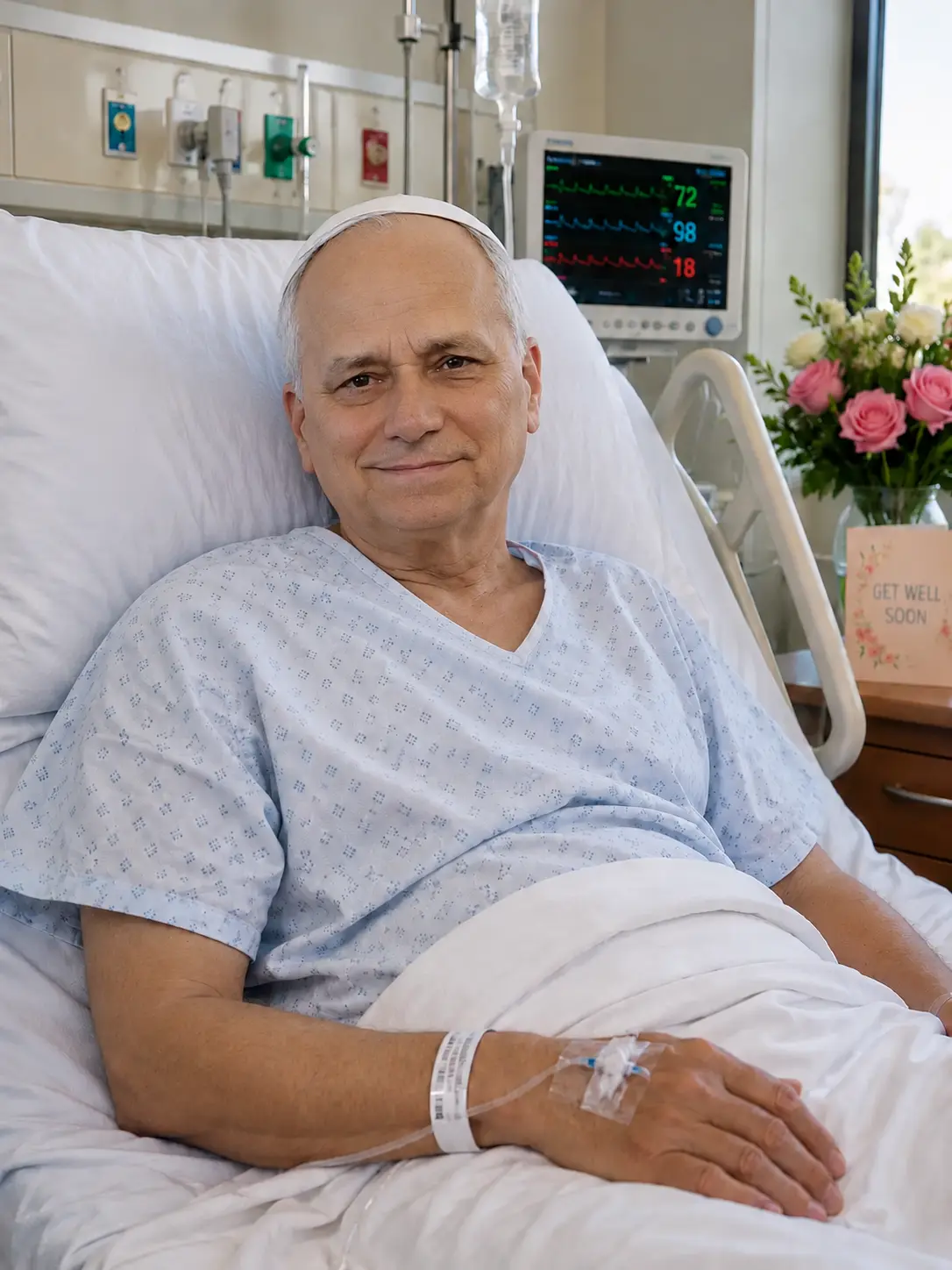
🚨 30 MINUTES AGO: NEW CONCERNS SURROUND POPE LEO XIV…
A sudden update about the Pope’s condition is raising questions and leaving many faithful anxiously waiting for answers. What is really happening behind the scenes?
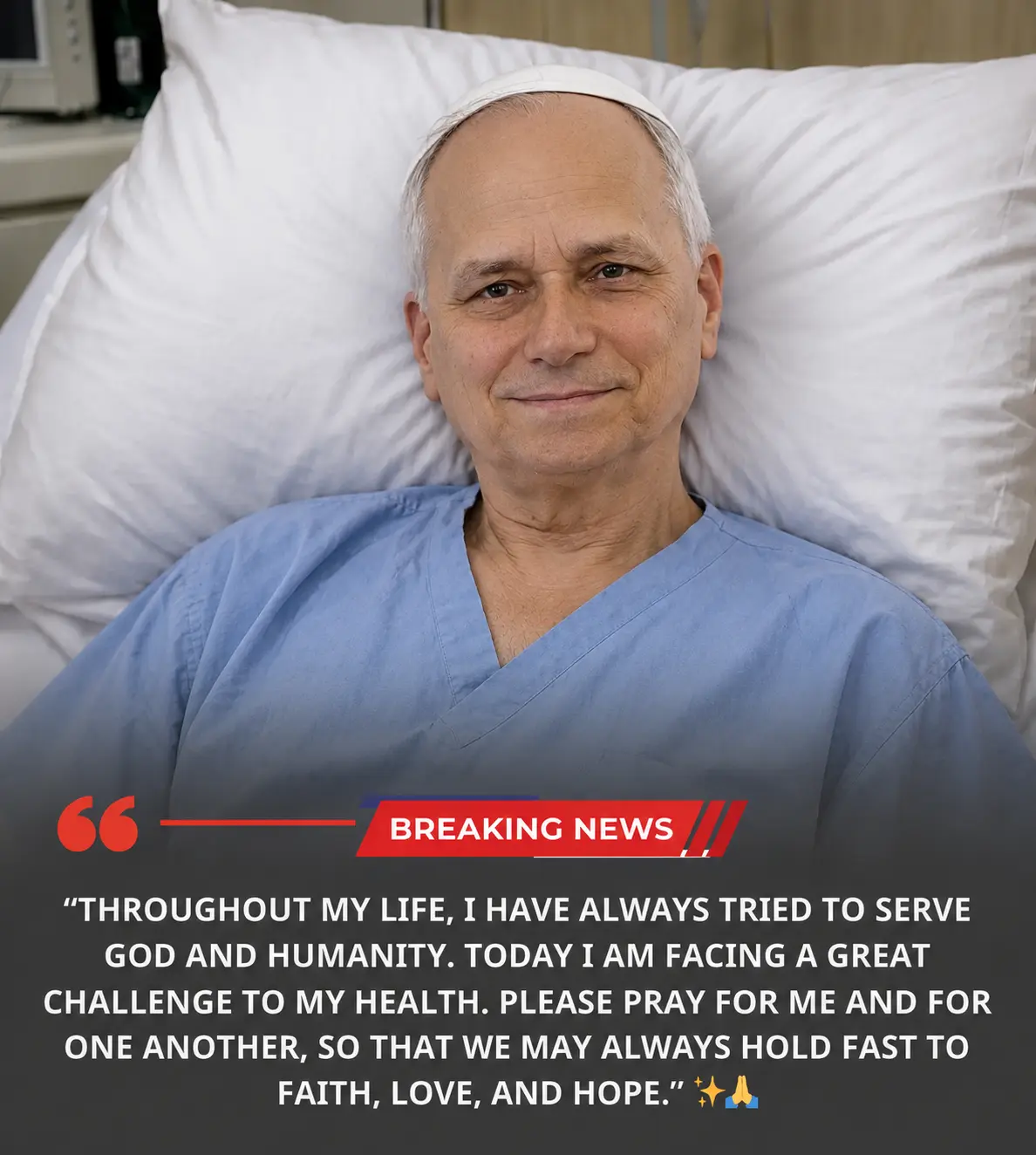
An atmosphere of uncertainty can spread rapidly whenever questions arise about the health and well-being of a world leader. When that leader is Pope Leo XIV, the spiritual head of the Roman Catholic Church, even an unconfirmed report can attract attention far beyond the walls of the Vatican.
The dramatic suggestion of a sudden development involving the pontiff has raised an important question: Is there a genuine reason for concern, or has an emotionally charged headline created an impression that goes beyond the available evidence?
At the center of the circulating account is a claim that something significant has happened to Pope Leo XIV's condition. Yet the report offers no specific diagnosis, official medical statement, named physician, or verified description of an incident.
The phrase "30 minutes ago" creates a sense of urgency, but without a publication timestamp and supporting documentation, it cannot establish when any development supposedly occurred.
For millions of Catholics, such uncertainty can be deeply unsettling. The pope is not merely an institutional leader. He is a figure whose words, gestures, and public appearances carry spiritual meaning for communities across the world.
Since his election on May 8, 2025, Pope Leo XIV has represented a historic chapter in the Catholic Church's long history.
Born Robert Francis Prevost in Chicago, Illinois, he became the first pope born in the United States. His election followed decades of religious service, including extensive missionary and pastoral work in Peru, where he developed close connections with communities facing social and economic challenges.
His background reflects an unusual combination of American roots, Latin American pastoral experience, and leadership within the Vatican.
These experiences helped prepare him for the extraordinary responsibilities of the papacy, an office that requires spiritual leadership, administrative oversight, diplomatic engagement, and constant attention to the needs of the global Church.
The demands placed upon a reigning pontiff are considerable.
A typical papal schedule may involve meetings with bishops, diplomatic audiences, liturgical celebrations, public addresses, and discussions about issues affecting Catholics across continents.
Beyond these formal duties, the pope is expected to provide spiritual reassurance during periods of international conflict, humanitarian suffering, and social uncertainty.
It is therefore understandable that questions concerning his health would attract widespread interest.
However, concern should not be confused with confirmation.
A sudden cancellation of a public engagement, a change in schedule, or an unexplained absence could have many possible explanations. None would automatically establish that the pontiff was seriously ill.
Similarly, anonymous claims about medical treatment or an emergency cannot be treated as established facts without credible evidence.
The Vatican has official channels for communicating significant information about papal activities and health. Statements from the Holy See Press Office, together with authenticated Vatican communications, are essential when evaluating reports involving the pope.
In the absence of such documentation, any claim about a medical emergency, hospitalization, surgery, or deterioration remains speculative.
History offers important lessons about the relationship between papal health and public attention.
During the later years of Pope John Paul II's pontificate, his physical difficulties became increasingly visible. His declining mobility and struggles with speech were observed by millions, prompting conversations about suffering, perseverance, and the responsibilities of spiritual leadership.
Pope Francis also experienced periods of significant medical difficulty during his pontificate, with official communications providing essential information about his condition and treatment.
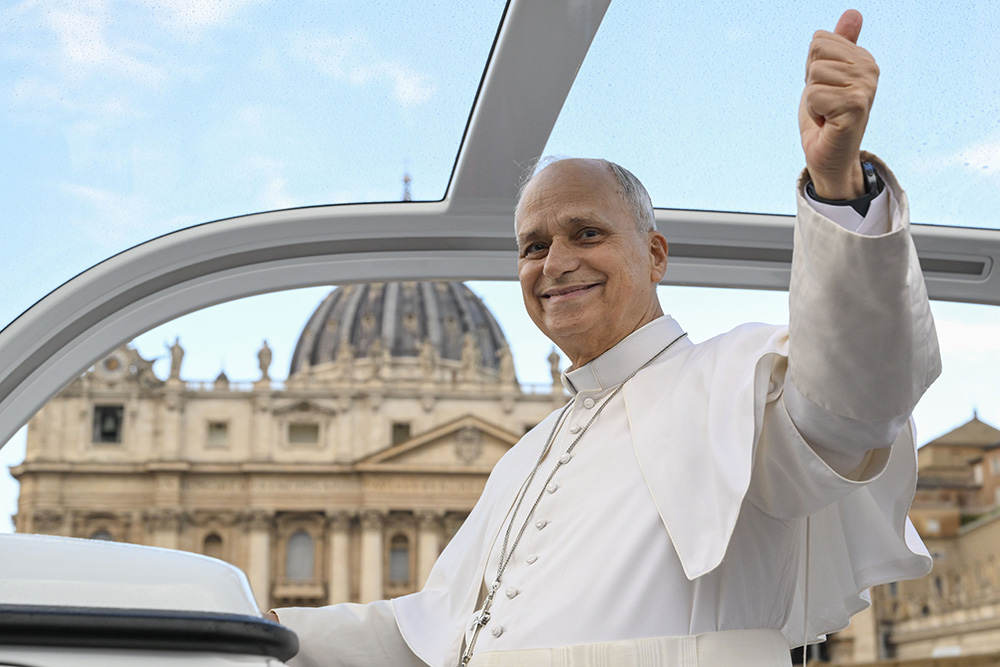
These experiences demonstrated how closely the world follows the health of the Bishop of Rome.
They also revealed the emotional bond between the papacy and ordinary believers.
For many Catholics, news of a pope's illness is received almost as news concerning a beloved family member.
People may remember his words during moments of personal grief, his prayers during difficult times, or the encouragement they found in his public messages.
That emotional connection helps explain why even an unverified headline can generate anxiety.
But it also creates a responsibility for journalists, commentators, and social media users to distinguish reliable information from rumor.
The consequences of misinformation can be significant.
A dramatic report suggesting that the pope's condition has suddenly changed may lead readers to assume that doctors are responding to an emergency, that Vatican officials are preparing an announcement, or that the Church faces an immediate leadership crisis.
Without evidence, none of those conclusions is justified.
Medical privacy must also be respected.
Although the pope occupies a position of extraordinary public importance, he remains a human being entitled to dignity and careful treatment of personal information.
Responsible reporting should avoid inventing diagnoses, describing imaginary conversations with physicians, or attributing emotional statements to family members and Vatican officials.
Accuracy is especially important when the subject concerns a person's health.
The uncertainty surrounding the circulating headline also highlights a broader issue in modern digital communication.
Online platforms reward immediacy, dramatic language, and emotionally compelling narratives. A headline promising an urgent revelation can travel across the world before readers have an opportunity to verify its contents.
Words such as "breaking," "emergency," and "just announced" can create a powerful impression even when the accompanying information is incomplete.
This phenomenon is not limited to religious news.
It affects reporting about political leaders, entertainers, athletes, and other prominent public figures.
But stories involving the pope carry a distinctive spiritual dimension.
For believers, the pontiff symbolizes continuity within a religious institution that spans cultures, languages, and generations.
A question about his well-being can therefore become a shared concern among people who have never met one another.
In churches, homes, monasteries, and religious communities, prayer for the pope is already an established practice.
Catholics regularly ask for wisdom, strength, and protection for the person entrusted with leading the Church.
Such prayers do not require confirmation of a medical emergency.
They express an enduring relationship between the faithful and their spiritual leader.
This distinction is worth emphasizing because genuine compassion should never depend on an alarming headline.
People can care about Pope Leo XIV's health without assuming that he is suffering from an undisclosed illness.
They can express solidarity without circulating unsupported claims.
And they can remain attentive to official developments without treating silence as evidence that something troubling is happening behind closed doors.
Indeed, the absence of immediate information should not automatically be interpreted as secrecy.
Institutional communications often require verification, coordination, and careful wording, particularly when they concern sensitive personal matters.
Speculating about what might be occurring within the Vatican risks replacing facts with imagined scenarios.
A more constructive approach is to focus on what can be established.
Pope Leo XIV's public identity is grounded in decades of religious service and his responsibilities as the successor of Saint Peter.
His leadership carries significance for Catholics and for the wider international community, particularly in discussions involving peace, human dignity, religious freedom, and social responsibility.
These responsibilities remain important regardless of whether a particular online report proves accurate.
The Church's institutional life also extends beyond the physical presence of any single individual.
Bishops, priests, religious communities, and lay Catholics continue their ministries throughout the world, supporting education, healthcare, charitable initiatives, and spiritual life.
This global structure provides continuity even during periods when questions arise about a pope's schedule or personal circumstances.
For readers encountering the current claim, several questions deserve attention.
Has the Vatican issued an official statement? Is the alleged development supported by a credible news organization? Does the report identify when and where the event occurred? Are its medical claims attributed to a verifiable source?
These questions are not expressions of skepticism toward the pope or his supporters.
They are essential safeguards against unnecessary fear.
Until authenticated information becomes available, there is no responsible basis for describing Pope Leo XIV as being in critical condition, undergoing emergency treatment, or facing an undisclosed medical crisis.
The headline's suggestion of a sudden change should therefore remain an unverified claim rather than a confirmed development.
At the same time, the attention surrounding the story reveals something meaningful about the papacy.
The pope's influence is not measured solely through official decisions or public ceremonies. It is also reflected in the personal significance that believers attach to his ministry.
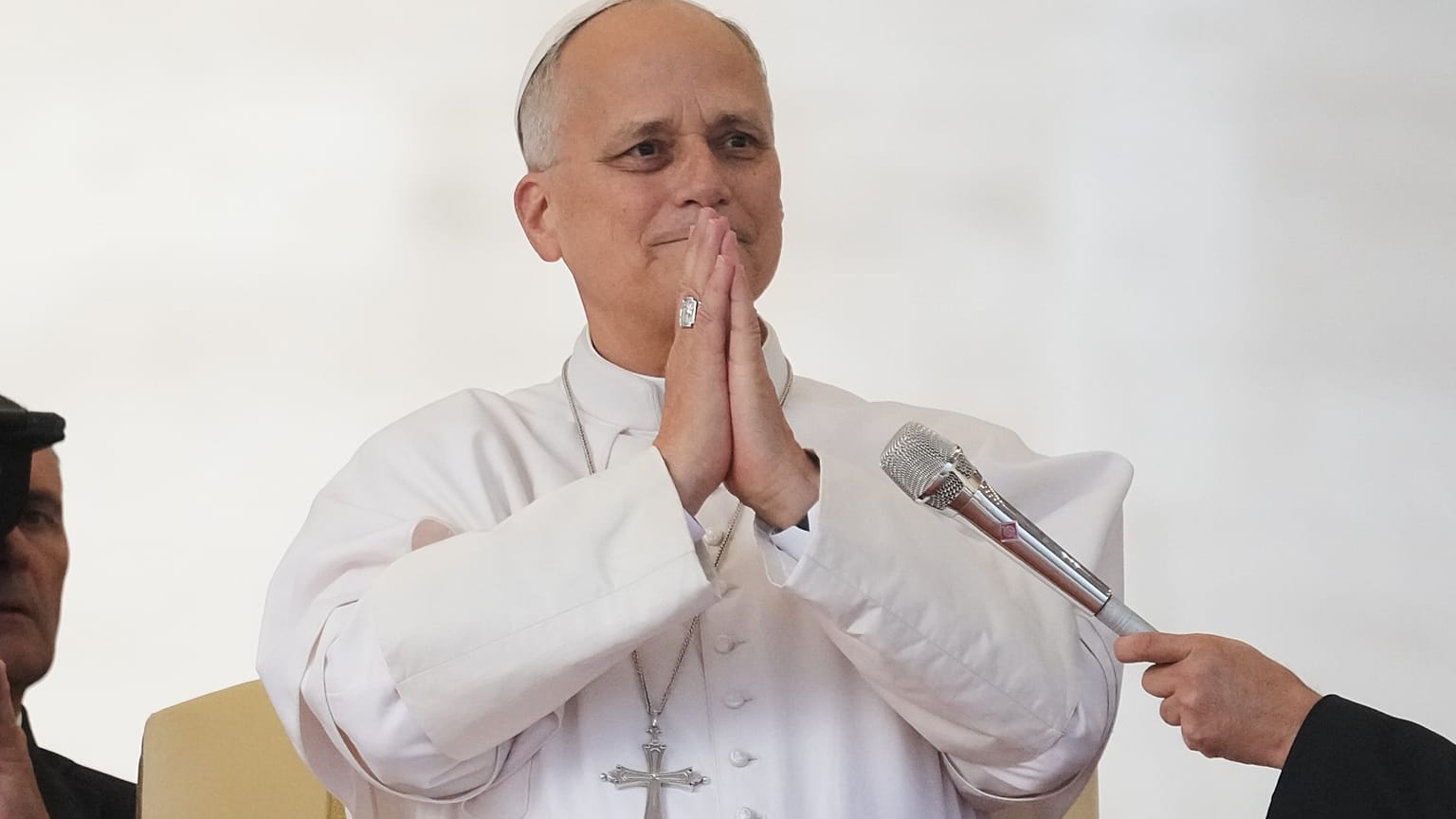
For many, the pontiff represents a voice of spiritual encouragement in a world frequently marked by uncertainty.
That relationship can inspire sincere concern whenever questions about his well-being arise.
The appropriate response is to combine that concern with patience, respect, and a commitment to truth.
If an official medical announcement is eventually made, its verified details should guide public understanding.
If no such announcement exists, speculation should not be allowed to create a crisis where none has been established.
In moments like these, compassion and accuracy are not competing values. They reinforce each other.
For now, the most meaningful response is not panic, dramatic prediction, or unsupported claims about what may be happening behind Vatican doors.
It is a willingness to seek reliable information while respecting the dignity of the person at the center of the story.
Pope Leo XIV continues to occupy a position of profound spiritual importance, and concern for his well-being is understandable.
But faith does not require the abandonment of careful judgment.
Sometimes the strongest expression of solidarity is a quiet prayer. Sometimes it is the decision not to share an unverified rumor.
And sometimes, when the world is demanding immediate answers, the most responsible act is simply to wait for the truth.
Because genuine hope is not built on sensational headlines.
It is sustained by compassion, patience, and the conviction that truth matters—especially when millions of people are listening.